A vacuum machine, which once conveniently pulled debris effortlessly, can lose its suction and reduce convenience over time, causing frustration in people. Before assuming the machine has reached the end of its lifespan, it is worth noting that simple, fixable problems cause most suction loss issues. Whether you own a vacuum cleaner for home or use a compact car vacuum cleaner, the underlying mechanics are similar, and the solutions are often easy to address.
Common Causes behind Suction Loss
1. Dustbin at its Capacity:
One of the most common reasons for reduced suction is a full dustbin. When the collection chamber reaches its maximum capacity, airflow becomes restricted, reducing the vacuum cleaner’s suction performance. Regularly emptying the dustbin is important to maintain consistent suction power and efficient cleaning performance.
2. Blocked Filters:
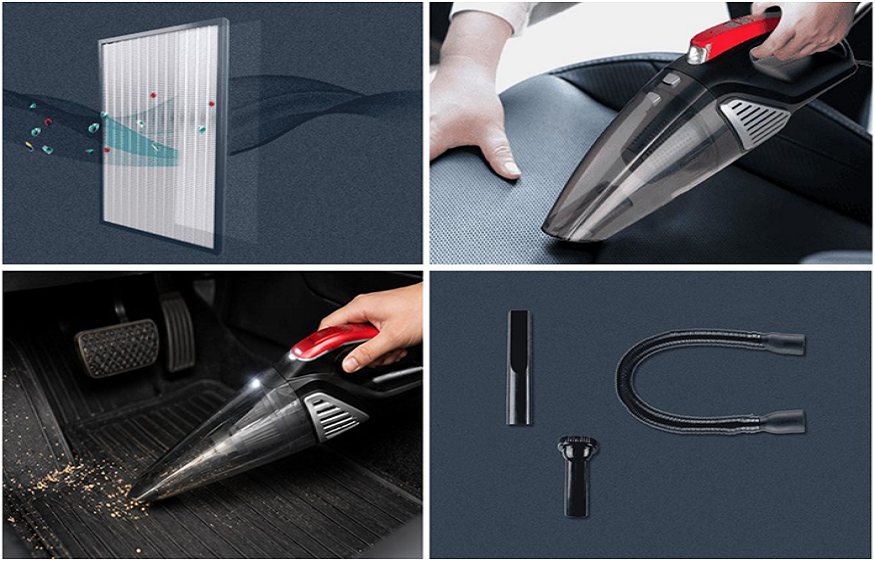
Filters trap microscopic particles such as volatile organic compounds (VOCs) and particulate matter that would otherwise be released back into the air. Over time, the accumulation of these particles can restrict airflow and reduce suction power. To maintain effective cleaning performance, it is important to clean or replace the filters regularly.
3. Blockages in the Hose or Attachments:
A partial clog in the hose, brush roll, or attachment nozzle can reduce suction without triggering any visible warning. Long hair, pet fur, and debris are common culprits, especially in the narrow joints where the hose connects to the main body. Disconnect the hose and hold it up to the light to check for any obstructions. A broom handle or long flexible brush can help dislodge stubborn clogs without damaging the inner surface.
4. Worn or Tangled Brush Roll:
Brush roll (also called a beater bar) agitates carpet fibres to loosen dirt before suction draws it in. Hair and threads wrapped tightly around the roll reduce its rotation, and in some cases, stop it entirely. Use scissors to carefully cut away tangled material without damaging the bristles. If the bristles appear flattened or worn down, the brush roll may need to be replaced.
Read More: Comparing Costs of Storage Geysers and Instant Geysers
5. Damaged Seals or Cracked Hose:
Most Vacuum cleaners rely on airtight seals to maintain suction pressure. A cracked hose or a poorly fitted attachment creates a leak that bleeds suction before it ever reaches the nozzle.
6. Motor or Fan Wear:
If all the filters are clean, the dustbin is empty, and there are no visible blockages, reduced suction may indicate internal wear, particularly in the motor fan. A motor that operates under prolonged strain can gradually lose efficiency over time. Unusual noises, overheating smells, sudden power cuts, or inconsistent and weak suction may all be signs of motor-related issues.
Common Fixes to Restore the Vacuum Cleaner’s Suction
General tips can be followed to restore the vacuum cleaner’s suction:
Read More: A Story of Two Luxury Masterpieces: Zyon Grand and Promenade Peak
- Empty the dustbin before it reaches its capacity to maintain proper airflow.
- Clean washable filters regularly and replace worn-out filters as recommended by the manufacturer.
- Inspect the hose, wand, and attachments for hidden blockages and remove trapped debris carefully.
- Remove threads, tangled hair and fibres from the brush roll to improve rotation and cleaning efficiency.
- Check hoses and attachment joints for cracks or loose fittings that may cause air leakage.
- Clean floor nozzles and suction inlets to prevent dirt buildup around airflow openings.
- Avoid vacuuming large debris or wet particles unless the machine is designed for wet-and-dry cleaning.
- Service the vacuum machine periodically to inspect motor performance, fan condition, and internal airflow components.
Conclusion
Suction loss in a vacuum machine rarely indicates permanent failure. A methodical inspection starting with the dustbin, moving through the filters, hose, brush roll, and seals can resolve most common issues. However, it is always advisable to have your vacuum cleaner serviced by a professional to ensure efficient performance and uninterrupted cleaning sessions.