A business facility relies on a continuous, stable flow of electricity to function. Whether it is keeping climate control systems running during peak hours or ensuring that high-demand machinery operates without interruption, the underlying power network is the backbone of day-to-day operations. When an electrical component fails or a system begins to show signs of age, the resulting downtime can ripple through a company, affecting productivity and, in some cases, the safety of the workspace. For those managing a commercial electrician in Bend, OR or seeking support for ongoing maintenance, understanding the demands placed on these systems is the first step toward long-term operational health.
The Challenges of Maintaining Commercial Electrical Systems
Commercial spaces are fundamentally different from residential properties in how they consume energy and how they distribute electrical loads. Modern facilities often house a complex array of hardware, from enterprise-grade server rooms to heavy-duty manufacturing equipment, each placing unique demands on the service panels and wiring.
Read More : Decoding Water Purifier Machine Price vs. Features: RO, UV, UF, or Alkaline?
One of the most common difficulties in maintaining these environments is the degradation that occurs through consistent, high-load use. Unlike a home, where usage patterns may fluctuate significantly throughout the day, a commercial setting often sustains a high baseline draw. This constant thermal stress can accelerate the wear on breakers, switches, and insulation. Furthermore, as businesses grow and introduce new equipment, the existing electrical infrastructure may become overburdened. Often, when people look for commercial electrical services in Bend, they are responding to these gradual stressors—flickering lights, tripped breakers, or equipment that fails to start—which serve as early indicators that the system requires professional attention or an upgrade.
How Comprehensive Electrical Maintenance Typically Operates
Effective electrical management is rarely about singular, emergency repairs; it is about the systematic assessment of the entire distribution path. When a qualified provider examines a commercial facility, they typically begin by mapping the electrical layout to identify points of vulnerability.
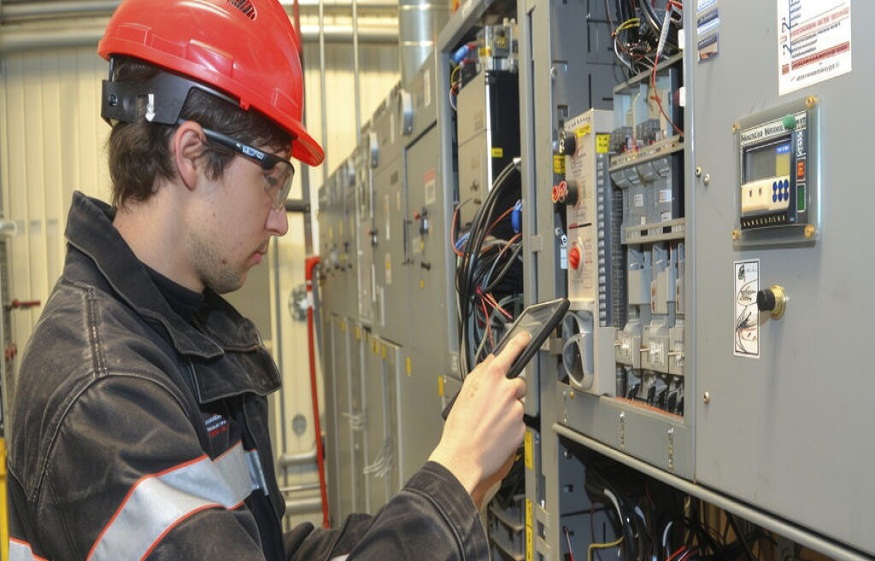
The process often involves a rigorous inspection of the main distribution panels. A technician looks for signs of overheating, loose terminations, or corroded connections that could create resistance and heat. By using testing equipment to monitor load balancing, a professional can determine if one phase of the electrical system is carrying too much of the demand, which is a frequent cause of premature component failure. Beyond the panels, the assessment extends to branch circuits, grounding systems, and safety devices. The objective is to ensure that the entire facility meets modern safety considerations and functions with the efficiency required for daily commercial activity.
Key Factors That Shape the Outcome of Electrical Projects
Several variables influence how well an electrical system performs and how long it remains reliable. The first factor is the quality of the original installation and the compatibility of existing components. Over time, as different contractors perform various additions or modifications, the system can become a patchwork of incompatible standards, which makes troubleshooting significantly more difficult.
Another significant factor is the age of the infrastructure. Wiring and devices have a natural lifespan, and as they approach the end of that period, they tend to become less reliable. Environmental conditions also play a role; facilities located in areas with temperature fluctuations or those prone to moisture must have enclosures and wiring methods specifically chosen to resist these exterior pressures. Ultimately, the outcome of any electrical project is shaped by how well the design accounts for the facility’s specific load profile. An effective setup provides enough headroom for future expansion while maintaining strict adherence to safety protocols during normal operation.
Practical Ways to Approach Facility Electrical Needs
For business owners and facility managers in the region, taking a proactive approach to electrical health is almost always more efficient than waiting for a failure. One of the most effective strategies is to establish a regular inspection schedule. Having a commercial electrician in Bend, OR review the system on an annual or semi-annual basis allows for the identification of loose connections or worn components before they lead to an unplanned outage.
Documentation is another vital component of a successful strategy. Maintaining a clear, updated set of electrical blueprints, along with logs of all repairs and upgrades, provides future technicians with the context they need to resolve issues quickly. When selecting a partner for commercial electrical services in Bend, consider providers who emphasize clear communication regarding the state of your infrastructure. A transparent provider should be able to explain not just what is being repaired, but why the problem occurred and what steps can be taken to prevent a recurrence.
Finally, prioritize safety and compliance when planning any changes to the building’s layout. Any time equipment is moved or added, verify that the circuit capacity is appropriate for the new load. Avoiding the temptation to bypass safety controls or use temporary solutions for permanent needs is essential. Investing in the expertise of a licensed professional to oversee these modifications ensures that the work is consistent with the standards required for a safe, high-functioning commercial environment.
Read More : How Air Filters for Home Protect You and Your Family
If your facility is currently operating on an older electrical system or if you are preparing for a period of growth, reaching out for an initial site assessment is a sensible next step. A professional audit provides the clarity needed to make informed decisions about your infrastructure, helping to ensure that the power behind your business remains as reliable as the work you do every day.